

21 aug How Much Does It Cost to Build a Capsule Hotel?
Capsule hotels have moved well beyond their novelty origins in Japan. Across Europe, hostel owners, hotel developers, and hospitality investors are now asking a much more practical question: what does it actually cost to build one, and does the math work out?
The honest answer is “it depends” but not in a vague way. Capsule hotel costs follow patterns that are predictable once you understand the variables: pod quality, site conditions, permitting, and whether you’re building new or converting an existing property. This guide breaks down every major cost category so you can budget realistically and compare vendor quotes with confidence.
What Is a Capsule Hotel, and Why Are They Growing in Europe?
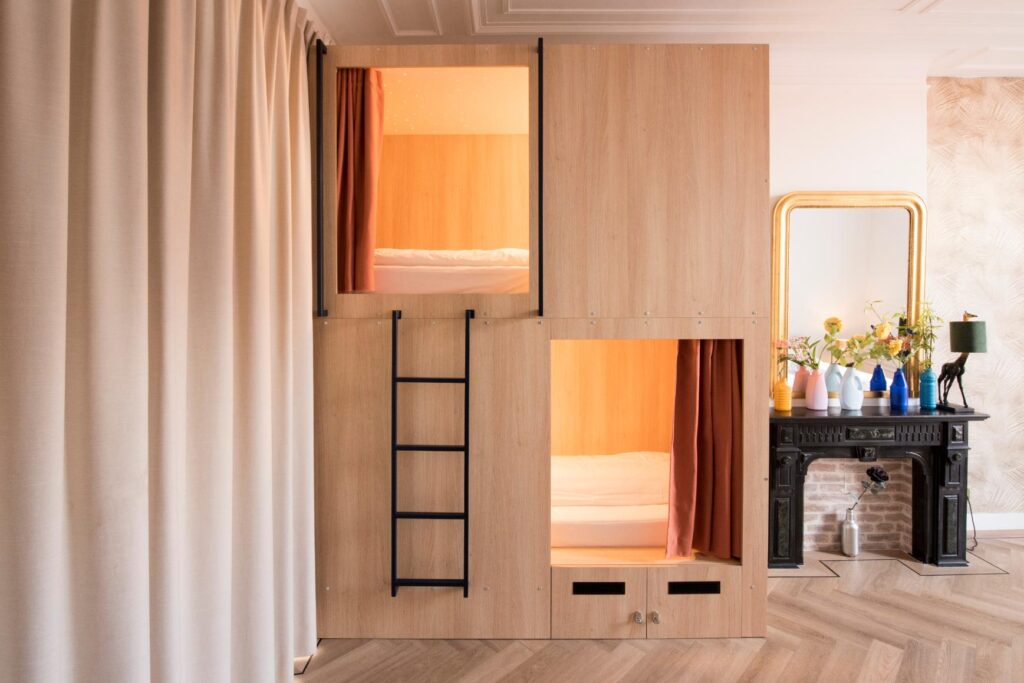
A capsule hotel replaces traditional guest rooms with individual sleeping pods compact, private, fully furnished units arranged in efficient rows or stacked configurations. Each pod typically includes a bed, ventilation, lighting, power outlets, and increasingly, smart locks and entertainment features.
European interest has accelerated for a few clear reasons:
- Urban real estate costs make traditional room-based hotels harder to justify per square meter
- Younger travelers and business guests increasingly value privacy over space
- Hostels are under pressure to modernize and compete with boutique hotel experiences
- Airports, transit hubs, and city centers have limited footprints but consistent demand
This shift means the real question for operators isn’t “should we consider pods” it’s “what will it cost us to do this properly.”
The Main Cost Categories to Budget For
Before looking at total numbers, it helps to understand what you’re actually paying for. A capsule hotel budget generally breaks into six categories:
- Pod manufacturing and materials — the physical sleeping units themselves
- Design and space planning — layout optimization, architectural drawings
- Installation and labor — on-site assembly, electrical, HVAC connections
- Permits and compliance — fire safety, building codes, accessibility
- Interior finishing — flooring, common areas, reception, bathrooms
- Technology and furnishings — locks, lighting systems, linens, signage
Each of these scales differently depending on whether you’re converting an existing building or starting from a bare shell.
Cost Per Pod: What Drives the Price
This is usually the first number investors want and it’s also the most misunderstood, because “per pod” pricing varies enormously based on specification.
Factors that affect pod pricing:
- Materials — fire-rated composite panels versus basic laminate finishes
- Size — standard single pods versus larger double-occupancy or accessible units
- Features — built-in ventilation, USB/power integration, smart locks, blackout mechanisms, soundproofing
- Manufacturing origin — European-manufactured pods typically carry higher unit costs than imported alternatives, though buyers often weigh this against compliance certainty and shorter lead times
- Customization — bespoke branding, colors, or non-standard dimensions add cost
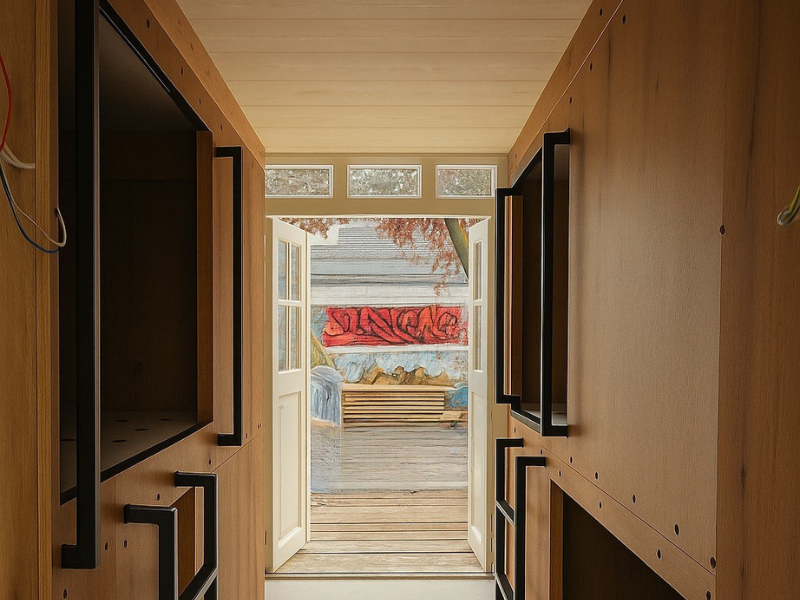
Indicative price ranges (per pod, materials and installation, before financing):
| Pod Tier | Rough Range (EUR) | Best Suited For |
| Entry-level, basic finish | ~€1,500–€4,000 | Budget hostels, high-density layouts |
| Mid-range, better soundproofing/finish | ~€4,000–€9,000 | Boutique hostels, transit hotels |
| Premium, smart features, larger footprint | ~€9,000–€25,000+ | Business travelers, upscale capsule hotels |
Treat these as a starting orientation, not a quote actual pricing depends heavily on supplier, order volume, and local labor rates, and can swing well outside this range. The more useful exercise is requesting quotes from three or more manufacturers against the same specification sheet materials, dimensions, ventilation, and compliance certifications so you’re comparing like with like rather than comparing headline numbers.
New Build vs. Conversion: Which Is Cheaper?
Most European capsule hotel projects fall into one of two categories, and the cost difference between them is significant.
Converting an existing property is usually the faster and lower-cost route, because:
- Structural walls, plumbing cores, and electrical backbone often already exist
- Permitting can be simpler if the building is already zoned for accommodation
- Installation timelines shrink from months to weeks in many cases
Building new offers more design freedom optimal pod density, purpose-built ventilation, no compromises from an existing floor plan but comes with:
- Land or shell acquisition costs
- Longer permitting and construction timelines
- Higher overall capital requirements
Practical takeaway: if you already own or lease a property with reasonable ceiling height and existing utilities, conversion will almost always deliver a faster return than new construction.
Hidden and Often-Overlooked Costs
Budgets that go over often miss the same handful of line items:
- Fire safety upgrades – sprinkler systems, smoke detection per pod, emergency lighting
- Ventilation and air quality systems – critical for enclosed sleeping spaces and frequently under-budgeted
- Acoustic insulation – between pods and from common areas
- Accessibility compliance – a portion of units typically need to meet accessibility standards
- Staff and operational setup – check-in kiosks, cleaning equipment, storage
- Contingency buffer – experienced developers commonly reserve 10–15% of total budget for the unexpected
Skipping any of these doesn’t eliminate the cost it just moves it to a later, more expensive stage of the project.
Sample Budget Breakdown by Hotel Size
Here’s how total budgets typically scale by pod count. Treat the totals as a rough planning range; local labor rates and building condition vary widely across Europe, and the figures below assume a conversion project with mid-range pods.
| Hotel Size | Pod Count | Rough Total Budget (EUR)* | Typical Timeline |
| Small / Boutique | 15–30 pods | ~€150,000–€400,000 | 2–4 months |
| Mid-size | 30–80 pods | ~€400,000–€1.2M | 4–6 months |
| Large / Flagship | 80+ pods | ~€1.2M+ | 6–9+ months |
*Includes pods, installation, basic finishing, and permitting; excludes property acquisition or lease costs.
Larger projects benefit from bulk manufacturing pricing and shared installation labor, which is why per-pod costs tend to fall as scale increases even though total budgets rise.
Financing and Funding Options
Capsule hotel projects are typically financed through a mix of:
- Traditional hospitality loans – banks increasingly recognize pod hotels as a legitimate asset class
- Equipment financing – some manufacturers offer financing or leasing structures for the pods themselves
- Investor partnerships – particularly common for larger flagship projects
- Phased rollouts – installing pods in stages (e.g., 20 units first, expanding after occupancy proves demand) to reduce upfront capital risk
Because pods are modular, many operators choose to launch with a smaller footprint, validate demand and pricing, then expand spreading capital expenditure across multiple budget cycles instead of committing everything upfront.
Capsule Hotel ROI: When Do You Break Even?
Return on investment depends on occupancy rate, nightly pricing, and operating costs but capsule hotels have a structural advantage over traditional rooms: revenue per square meter. Because pods require significantly less floor area than a standard room while still commanding a reasonable nightly rate, operators can generate more total revenue from the same building footprint.
Key ROI drivers:
- Occupancy rate – pods can achieve strong occupancy relative to traditional dorms, largely on the strength of the privacy premium
- Guest reviews and repeat bookings – design quality and privacy directly influence review scores
- Operating efficiency – fewer bathrooms and shared amenities to maintain relative to room count
- Ancillary revenue – lockers, food and beverage, co-working add-ons
Payback periods vary widely by market and financing structure treat any single “months to break even” figure you see quoted online with skepticism unless it’s tied to a specific, comparable project. As a rule of thumb, conversions with mid-range pods tend to reach profitability faster than a comparable full room renovation, mainly because construction timelines are shorter and revenue per square meter is higher.
Common Mistakes That Inflate Budgets
- Choosing the cheapest pod supplier without checking compliance certifications — leads to costly retrofits later
- Underestimating ventilation requirements — a frequent cause of post-installation rework
- Skipping professional space planning — inefficient layouts waste square meters that directly translate to lost revenue
- Ignoring long-term maintenance costs — cheaper materials often mean higher replacement and repair costs over five to ten years
- Not budgeting for permitting delays — timeline slippage has real carrying costs
Best Practices for Controlling Costs
- Get comparable, specification-matched quotes from at least three manufacturers.
- Weigh European-manufactured pods against imported alternatives on total cost of ownership, not just sticker price compliance and lead-time reliability matter over a 5–10 year horizon
- Work with a manufacturer offering full turnkey service consultation, space planning, design, manufacturing, and installation to avoid coordination gaps between vendors
- Build in a realistic contingency buffer from day one rather than treating it as optional
- Consider a phased rollout to validate demand before committing to full capacity
Frequently Asked Questions
How much does it cost to build a capsule hotel per pod?
Roughly €1,500–€25,000+ per unit depending on materials, features, and manufacturer. Get specification-matched quotes from a few manufacturers for an accurate number.
Is it cheaper to convert an existing building or build from scratch?
Conversion is generally faster and less capital-intensive, since existing structural, plumbing, and electrical systems reduce both cost and timeline compared to new construction.
How long does it take to build a capsule hotel?
Small conversions can take as little as two to four months; larger new-build projects may take six to nine months or longer, depending on permitting and scale.
What is the average ROI timeline for a capsule hotel?
It depends on occupancy, pricing, and operating costs, but higher revenue per square meter compared to traditional rooms often shortens payback relative to conventional renovations.
Do capsule hotels require special permits?
Yes. Fire safety, ventilation, and accessibility requirements typically apply, and specifics vary by country and municipality within Europe.
Are European-manufactured pods worth the extra cost?
It depends on your priorities. Some operators find European manufacturing reduces long-term costs through compliance certainty and shorter lead times; others prioritize lower upfront cost with imported units and budget for potential retrofits.
Can I start small and expand later?
Yes, because pods are modular, phased rollouts are common: start with a smaller number of units and expand once demand and pricing are validated.
What ongoing costs should I budget for after installation?
Cleaning, maintenance, linen replacement, technology upkeep (locks, lighting), and periodic compliance inspections, on top of standard hotel operating costs.
How many pods fit in a typical hostel floor?
This depends heavily on ceiling height, floor layout, and local fire code spacing requirements professional space planning is essential to maximize density without compromising compliance.
Do capsule hotels perform well in guest reviews compared to traditional rooms?
Privacy-focused pod designs frequently score well, particularly among solo and business travelers who value quiet, private sleeping space over larger shared rooms.
Conclusion
Building a capsule hotel is a significant investment, but it’s also one of the more predictable renovation or development projects in hospitality once you understand the real cost drivers: pod specification, site conditions, permitting, and finishing quality. The operators who budget most successfully plan for the full picture not just the pod price tag, but design, compliance, and long-term maintenance together.
Evaluating a capsule hotel project? Book a consultation to get a tailored space plan and budget estimate for your building.
